How to Make Authentic Sri Lankan Pol Sambol at Home
Quick Answer
Pol Sambol is a traditional Sri Lankan coconut sambol made with freshly grated coconut, chilli, onion, lime and salt. It is fresh, spicy and full of flavour, and is commonly eaten with rice and curry, hoppers, string hoppers, pittu, roti or even a simple piece of bread.
Introduction
Some of the best Sri Lankan foods are also the simplest.
Pol Sambol is a perfect example.
There is no complicated cooking process and no long list of ingredients. But put a little Pol Sambol next to warm rice, dhal curry or fresh bread, and suddenly the whole meal feels complete.
For many Sri Lankans, it’s an everyday food.
You might remember having it with string hoppers in the morning, rice and curry for lunch, or bread when you wanted something quick and satisfying.
And everyone seems to like their Pol Sambol a little differently.
Some want it fiery hot.
Some prefer more lime.
Others like plenty of onion.
That’s part of the beauty of it.
Once you understand the basics, you can easily adjust Pol Sambol until it tastes exactly the way you like it.
What Is Pol Sambol?
Pol Sambol is a traditional Sri Lankan condiment made primarily from coconut.
The word “pol” means coconut in Sinhala, and coconut is the main ingredient that gives the sambol its familiar texture.
It is typically combined with chilli, onion, lime and salt.
Depending on the household and personal preference, other ingredients may also be added.
Unlike a curry, Pol Sambol usually doesn’t require a long cooking process.
The ingredients are combined together to create something fresh, spicy, slightly tangy and full of flavour.
It may look simple, but it plays an important role in Sri Lankan food.
Why Is Coconut So Important in Sri Lankan Cooking?
Spend a little time exploring Sri Lankan food and you’ll quickly notice how often coconut appears.
Fresh coconut.
Coconut milk.
Coconut oil.
Coconut-based sambols.
Coconut is part of countless traditional Sri Lankan dishes.
In Pol Sambol, however, coconut isn’t simply another ingredient.
It’s the centre of the dish.
Its natural richness helps balance the heat from the chilli and acidity from the lime.
That’s what makes a good Pol Sambol so satisfying.
You get heat, freshness, richness and acidity in the same bite.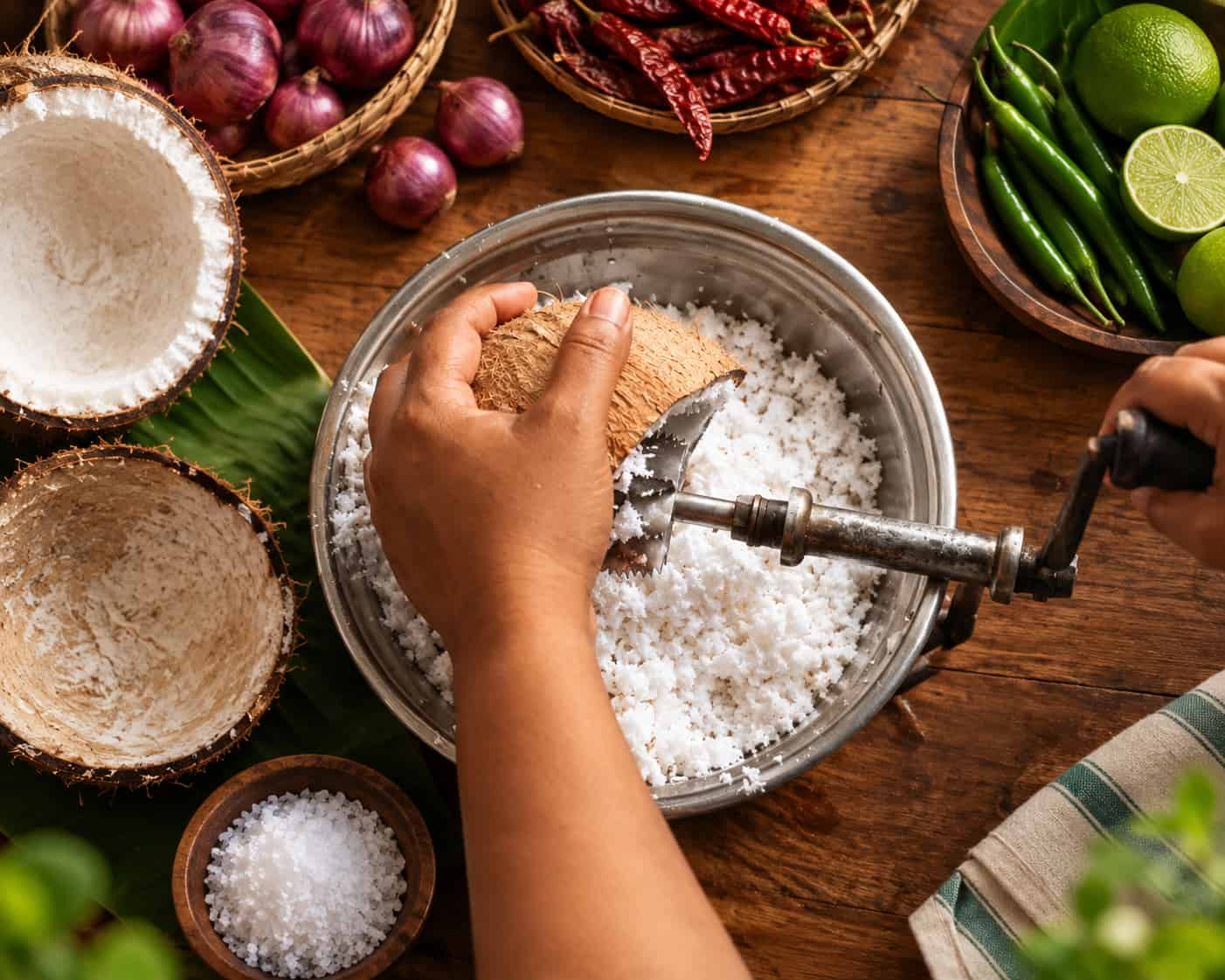
Ingredients You Need for Sri Lankan Pol Sambol
Pol Sambol doesn’t require many ingredients.
The exact quantities will depend on how spicy, tangy or onion-heavy you prefer it.
Grated Coconut
Freshly grated coconut is traditionally used for Pol Sambol.
It provides the texture and mild coconut flavour that forms the base of the dish.
If you live outside Sri Lanka and fresh coconut isn’t easily available, you may need to use a suitable alternative depending on what you can find locally.
The important thing is getting the coconut texture right.
Chilli
Chilli gives Pol Sambol its characteristic heat and colour.
Different households prepare it differently, but chilli powder, chilli flakes or crushed dried chilli may be used depending on the recipe and preference.
How much?
That’s completely up to you.
If you’re new to Sri Lankan food, start with less.
You can always add more.
Red Onion
Finely chopped red onion adds freshness, texture and a little sweetness.
It also works beautifully with coconut and chilli.
Lime
Lime brings everything together.
The acidity cuts through the richness of the coconut and gives the sambol its fresh, bright flavour.
Add it gradually and taste as you go.
Salt
It sounds simple, but salt is important.
The right amount helps bring out the coconut, chilli, onion and lime rather than allowing one ingredient to dominate.
How to Make Sri Lankan Pol Sambol
Pol Sambol is one of the easiest Sri Lankan dishes to prepare.
There’s no complicated technique.
Step 1 — Prepare the Coconut
Place the grated coconut in a bowl.
If you’re using fresh coconut, make sure it is finely grated so the other ingredients can combine with it properly.
Step 2 — Add the Chilli
Add your chilli.
Start with a smaller amount if you’re unsure about the heat level.
Remember, you can make it hotter later.
Step 3 — Add Onion and Salt
Add the finely chopped onion and a little salt.
Combine everything thoroughly.
Traditionally, the ingredients may be ground or mixed together so that the chilli and seasoning coat the coconut evenly.
At home, you can work everything together thoroughly until the flavours are well distributed.
Step 4 — Add Lime
Squeeze in fresh lime juice.
Don’t add too much immediately.
Mix, taste and then decide whether it needs more.
Step 5 — Taste and Adjust
This is probably the most important step.
Does it need more chilli?
More lime?
A little salt?
Maybe more onion?
There isn’t one perfect ratio for everyone.
A good Pol Sambol is the one that tastes right to you.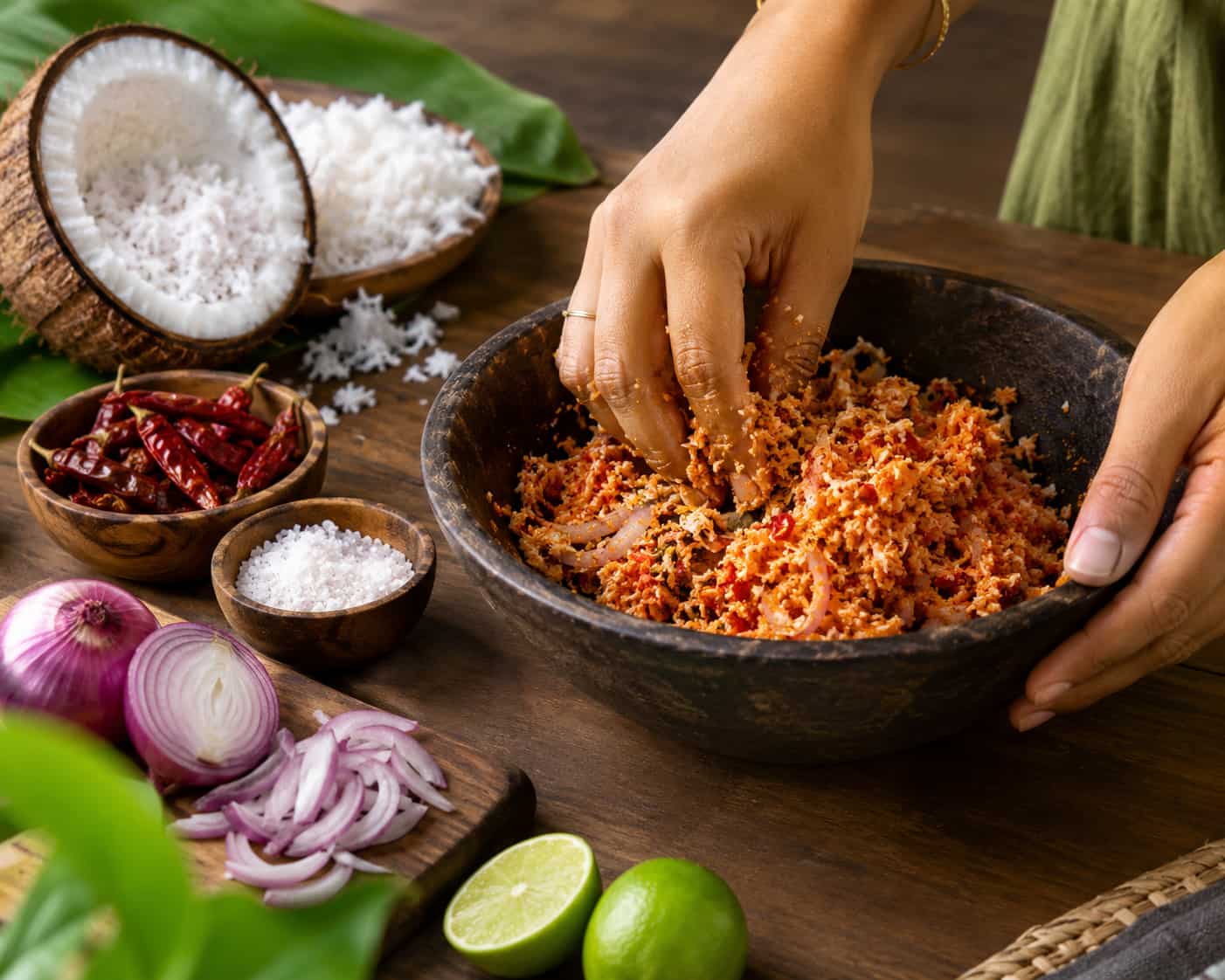
How Spicy Should Pol Sambol Be?
If you ask ten Sri Lankans, you might get ten different answers.
For some people, Pol Sambol should have a serious chilli kick.
For others, it should be much milder.
Traditional Sri Lankan food can be spicy, but that doesn’t mean you need to make your Pol Sambol unbearably hot.
If you’re cooking for the whole family, you can keep it relatively mild.
If you love spicy food, add more chilli.
The coconut helps soften the heat, while lime adds freshness.
Finding the right balance is more important than simply making it as hot as possible.
What Do You Eat With Pol Sambol?
The easier question might be: what can’t you eat with it?
Pol Sambol works with an incredible number of Sri Lankan dishes.
Rice and Curry
Add a spoonful of Pol Sambol to a plate of rice and curry and you’ll immediately notice the difference.
Its freshness and chilli heat contrast beautifully with creamy curries.
Try it alongside Sri Lankan dhal curry, chicken curry and a vegetable curry.
You don’t need much.
A small amount can change the flavour of the whole plate.
String Hoppers
String hoppers and Pol Sambol are a classic combination.
Add dhal or another curry and you have a comforting Sri Lankan breakfast or dinner.
Hoppers
The soft centre and crispy edges of a hopper work wonderfully with a spicy coconut sambol.
Add an egg hopper and a curry, and it becomes an even more satisfying meal.
Pittu
Pittu already contains coconut, but Pol Sambol still works beautifully alongside it.
Add dhal or another curry and you have a filling traditional meal.
Roti
Warm roti and fresh Pol Sambol make a simple but flavourful combination.
Bread
Sometimes you don’t need anything complicated.
Fresh bread and Pol Sambol can make a quick breakfast, snack or light meal.
For many Sri Lankans, it’s one of those simple combinations that immediately brings back memories.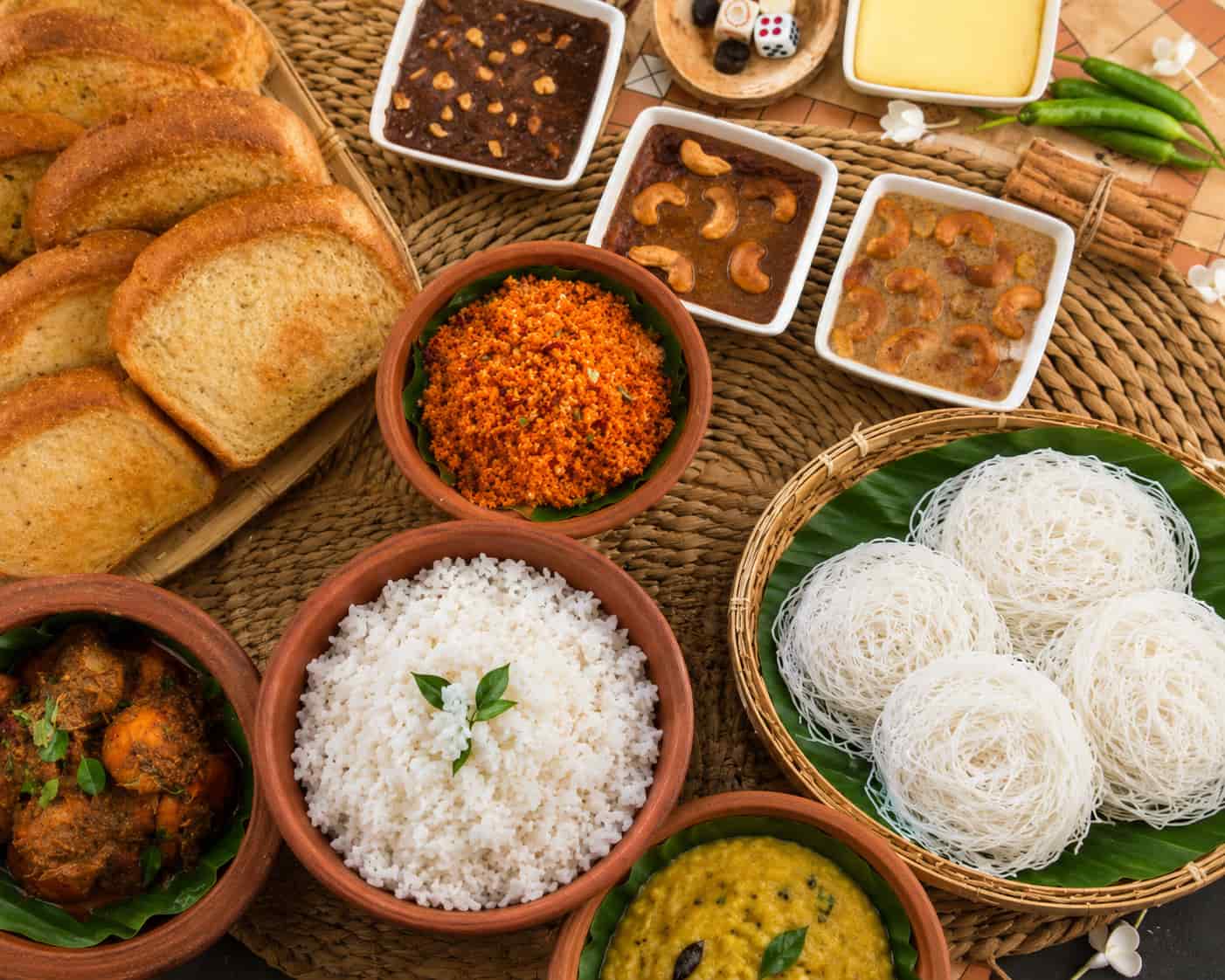
Pol Sambol and Dhal Curry — A Perfect Combination
If you’ve just learned to make our Sri Lankan Dhal Curry, Pol Sambol is a great next recipe.
Dhal is creamy and comforting.
Pol Sambol is fresh, spicy and tangy.
Put them together and they balance each other beautifully.
Add steamed rice and you already have the beginning of a proper Sri Lankan meal.
This is also a good way to learn Sri Lankan cooking.
You don’t need to master ten dishes at once.
Start with dhal.
Learn Pol Sambol.
Then try chicken curry.
Later, add a vegetable curry, fish curry or another sambol.
Little by little, you’ll understand how different Sri Lankan flavours work together.
Can You Make Pol Sambol Without Fresh Coconut?
Fresh coconut is the traditional choice and usually gives you the most familiar texture and flavour.
But finding fresh coconut isn’t always easy when you live outside Sri Lanka.
Depending on what is available where you live, some home cooks use alternatives such as frozen grated coconut.
If you’re using a substitute, the goal is to recreate the soft texture of freshly grated coconut as closely as possible.
Avoid turning the mixture into a wet coconut paste.
Pol Sambol should still have texture.
If you live in Germany or elsewhere in Europe, specialist Sri Lankan and Asian grocery stores may make it easier to find coconut products and the spices used in Sri Lankan cooking.
Common Mistakes When Making Pol Sambol
Pol Sambol is easy, but a few small mistakes can affect the final result.
Adding too much chilli immediately
Start gradually, especially if you’re not sure how strong your chilli is.
Using too much lime
Pol Sambol should have acidity, but lime shouldn’t overpower the coconut.
Not mixing everything properly
You want the chilli, salt and lime distributed throughout the coconut.
Forgetting to taste
Recipes are useful, but your taste buds are more important.
Taste before serving and adjust the balance.
Making it too far in advance
Pol Sambol is at its best when it tastes fresh. If possible, prepare it close to when you’re planning to eat it.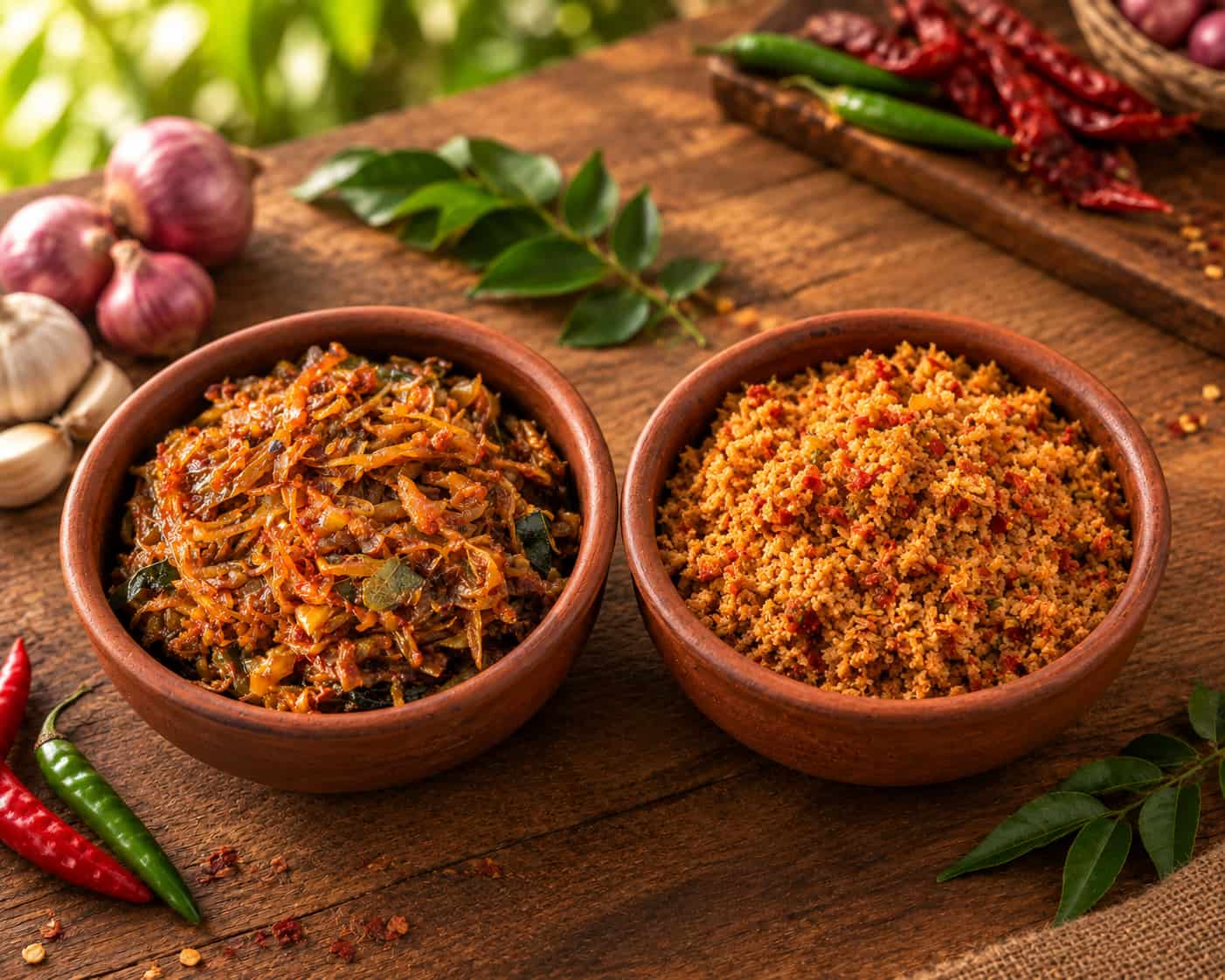
Is Pol Sambol the Same as Seeni Sambol?
No.
Both are popular Sri Lankan accompaniments, but they’re quite different.
Pol Sambol is based on coconut and has a fresh, spicy and tangy character.
Seeni Sambol is an onion-based preparation that is cooked until the onions become soft, rich and sweet, with spices adding additional flavour.
Both are delicious.
But they play different roles on the plate.
We’ll explore Seeni Sambol separately in a future LankaMart guide.
Why Simple Sri Lankan Foods Matter So Much
When people talk about Sri Lankan cuisine, it’s easy to focus on big curries and complicated dishes.
But everyday foods often carry the strongest memories.
Pol Sambol is one of them.
The sound of a coconut being grated.
The smell of fresh onion and lime.
Someone asking whether there’s enough chilli.
A bowl sitting in the middle of the table while everyone takes a little with their meal.
They’re small things.
But when you live thousands of kilometres from Sri Lanka, small things can mean a lot.
Food doesn’t only satisfy hunger.
Sometimes it brings a familiar part of home back to the table.
Finding Sri Lankan Ingredients in Germany and Europe
Making Sri Lankan food becomes much easier when you have the right ingredients in your kitchen.
At LankaMart, we bring together Sri Lankan groceries and everyday cooking essentials, including spices, coconut products, rice, flour, snacks, tea and other familiar favourites.
So whether you’re making Pol Sambol for a weekend breakfast or preparing a complete rice and curry dinner, you can find many of the ingredients you need in one place.
And LankaMart isn’t only for customers in Germany.
We also deliver to the Netherlands and other supported European countries, helping more Sri Lankans across Europe enjoy familiar flavours from home.
A Little Pol Sambol Goes a Long Way
Pol Sambol doesn’t need to be complicated.
Coconut.
Chilli.
Onion.
Lime.
Salt.
A few simple ingredients come together to create something unmistakably Sri Lankan.
Serve it with dhal and rice.
Add it to string hoppers.
Have it with roti.
Or keep things simple and eat it with bread.
However you enjoy it, Pol Sambol is one of those foods that deserves a place in any introduction to Sri Lankan cooking.
Explore authentic Sri Lankan groceries and cooking ingredients at LankaMart.
Frequently Asked Questions
What is Pol Sambol?
Pol Sambol is a traditional Sri Lankan coconut sambol typically made with grated coconut, chilli, onion, lime and salt. It is commonly served as an accompaniment to rice, hoppers, string hoppers, pittu, roti and bread.
What does “Pol Sambol” mean?
“Pol” means coconut in Sinhala. Coconut is the main ingredient used to prepare Pol Sambol.
Is Pol Sambol very spicy?
It can be, but the heat is easy to adjust. Use less chilli for a milder Pol Sambol or increase it if you enjoy spicy food.
What can I eat with Pol Sambol?
Pol Sambol is commonly eaten with rice and curry, dhal curry, hoppers, string hoppers, pittu, roti and bread.
Can I make Pol Sambol without fresh coconut?
Freshly grated coconut is traditionally used, but when it isn’t available, some cooks use alternatives such as frozen grated coconut. The aim is to keep the texture as close as possible to freshly grated coconut.
Where can I buy Sri Lankan ingredients in Europe?
Specialist Sri Lankan grocery stores such as LankaMart offer Sri Lankan spices, coconut products, rice, flour and other pantry essentials online, with delivery available in Germany, the Netherlands and other supported European countries.
Shop Now