What Makes Ceylon Tea So Special?
There are few products as closely connected with Sri Lanka as Ceylon Tea.
For generations, tea has been grown across the hills and highlands of Sri Lanka and enjoyed by people around the world. Even today, the name “Ceylon” is recognised internationally for tea produced on the island.
But what actually makes Ceylon Tea different?
It isn’t simply one particular flavour or one type of tea. The region where the tea is grown, the elevation, climate and way the leaves are processed can all influence what eventually ends up in your cup.
For Sri Lankans living abroad, a familiar cup of tea can also mean something more. It can remind you of mornings at home, conversations with family, or that simple cup of milk tea in the afternoon.
Let’s take a closer look at what makes Ceylon Tea special.
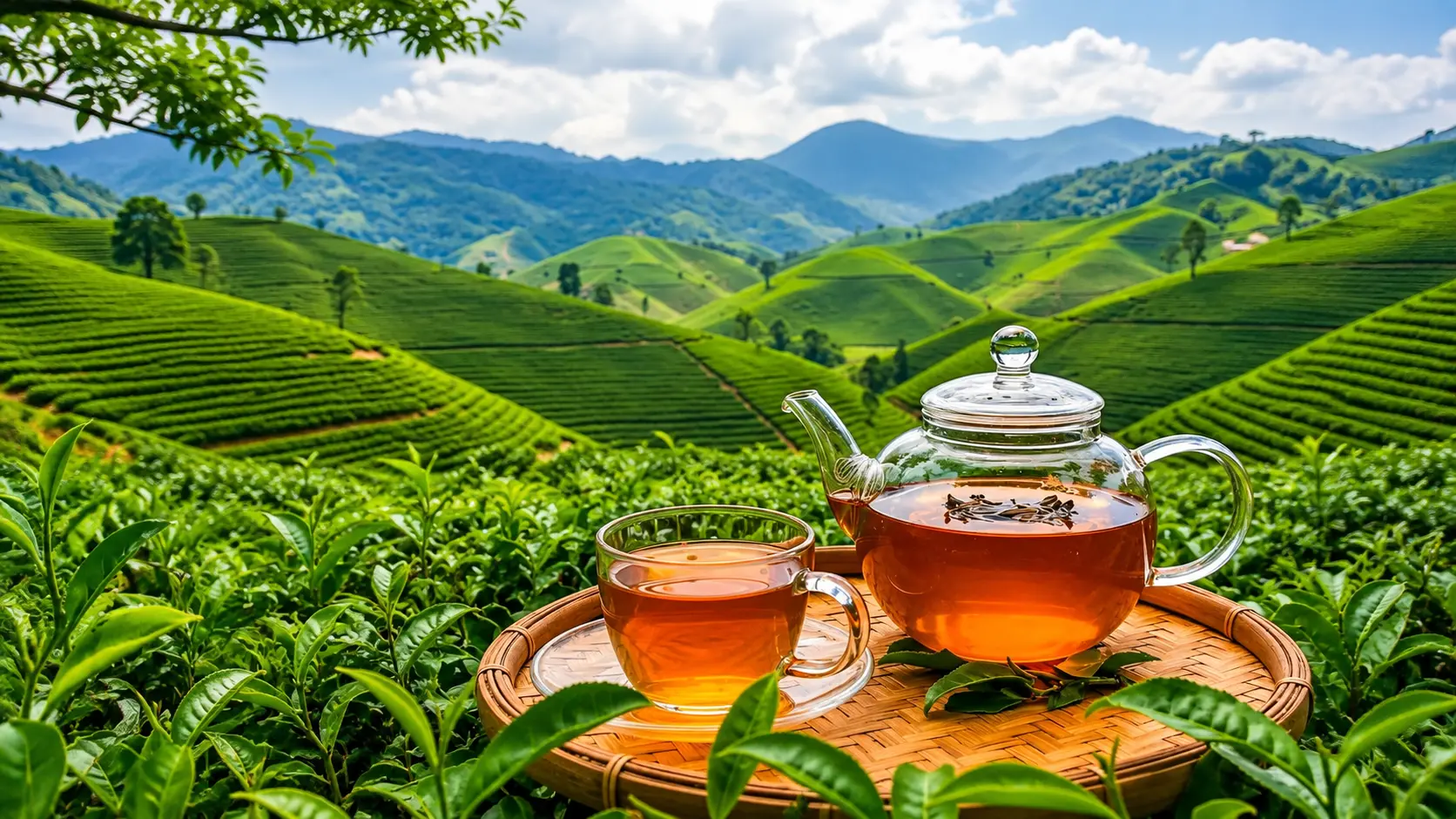
What Is Ceylon Tea?
Ceylon Tea is tea produced in Sri Lanka.
The country was officially known as Ceylon until 1972, but the historic name continues to be used around the world when referring to Sri Lankan tea.
Tea has become an important part of Sri Lanka’s identity, and different tea-growing areas across the country produce teas with their own characteristics.
This means that when you see the words “Ceylon Tea,” you’re not necessarily looking at one single flavour.
Depending on where and how it was produced, one Ceylon Tea can taste quite different from another.
Why Does Ceylon Tea Taste Different?
One of the interesting things about Sri Lanka is how much the landscape changes across a relatively small island.
Tea is grown at different elevations and under different climatic conditions.
These differences affect how the tea develops.
Some teas can be lighter and more delicate, while others can have a stronger, fuller flavour. You may also notice differences in aroma, colour and strength.
That variety is one of the reasons exploring different Ceylon teas can be so enjoyable.
You don’t necessarily need to be a tea expert to notice it either. Try a few different varieties and you may quickly discover which style you prefer.
Where Is Ceylon Tea Grown?
Sri Lanka has several well-known tea-growing regions.
Each has its own climate and elevation, which can influence the character of the tea.
Nuwara Eliya
Nuwara Eliya sits high in Sri Lanka’s central highlands.
The cooler climate and high elevation are associated with teas that can be lighter and more delicate in character.
Uva
The Uva region in eastern Sri Lanka is another famous tea-producing area.
Tea from this region can have its own distinctive aroma and flavour depending on the season and growing conditions.
Dimbula
Dimbula is located in Sri Lanka’s central highlands and has a long history of tea production.
The region produces teas enjoyed both locally and internationally.
Kandy
The area around Kandy was one of Sri Lanka’s early tea-growing regions.
Its lower elevation compared with some of the central highlands can produce a different style of tea.
These regional differences are part of what makes the world of Ceylon Tea so interesting.
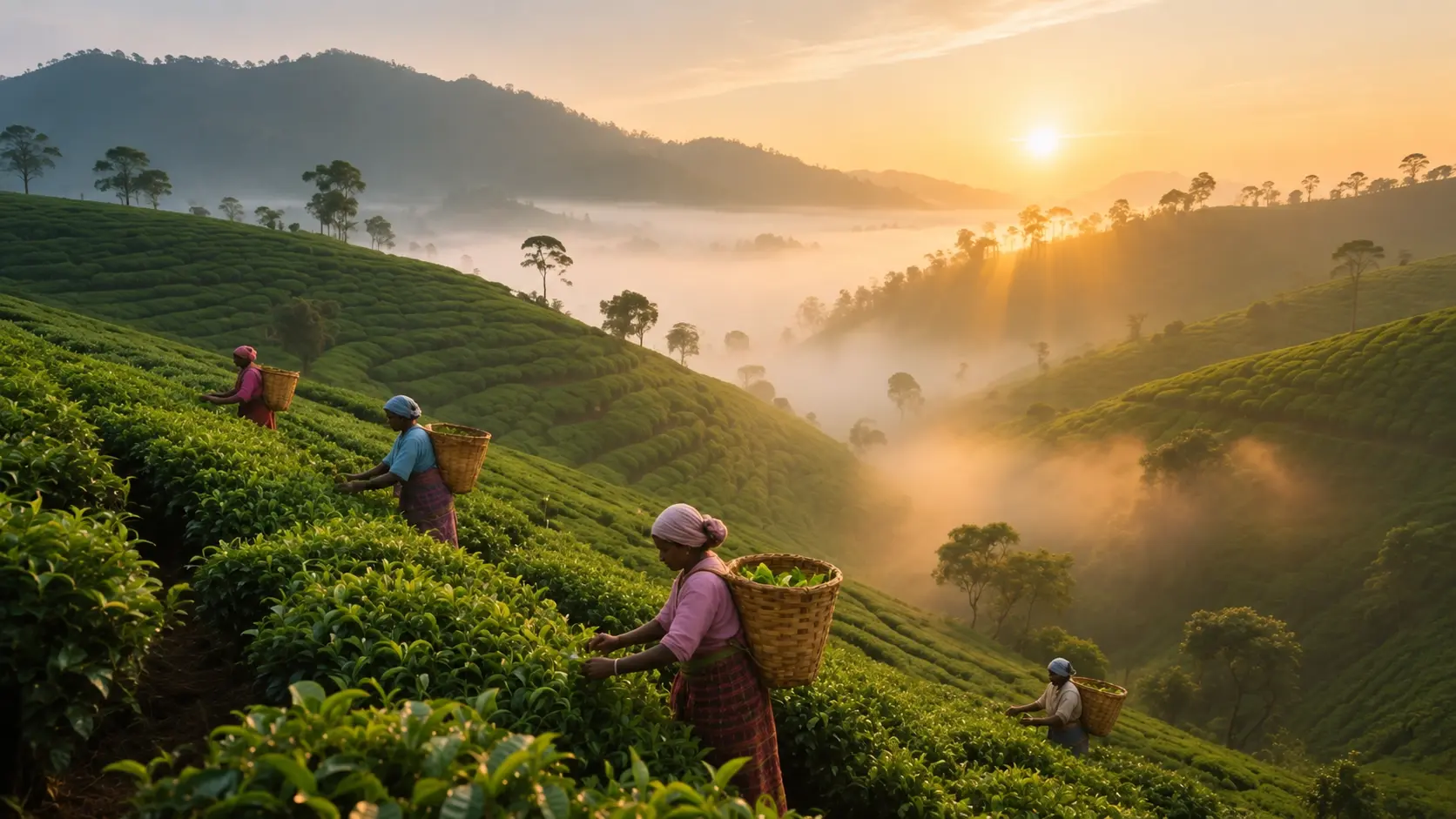
Ceylon Tea Isn’t Only Black Tea
When many people hear “Ceylon Tea,” they immediately think of black tea.
And that’s understandable. Black tea is one of Sri Lanka’s best-known tea products.
But tea grown in Sri Lanka can also be processed into other varieties.
Ceylon Black Tea
This is probably the variety most people associate with Sri Lanka.
It can be enjoyed plain, with milk, or with sugar depending on your preference.
For many Sri Lankan households, a strong cup of black tea with milk is simply part of everyday life.
Ceylon Green Tea
Sri Lanka also produces green tea.
Because it is processed differently from black tea, the resulting flavour and character are different as well.
Ceylon White Tea
White tea is produced using young leaves and buds with relatively minimal processing.
It is generally more delicate and is often considered a premium style of tea.
So there is much more to explore beyond the traditional cup of black tea.
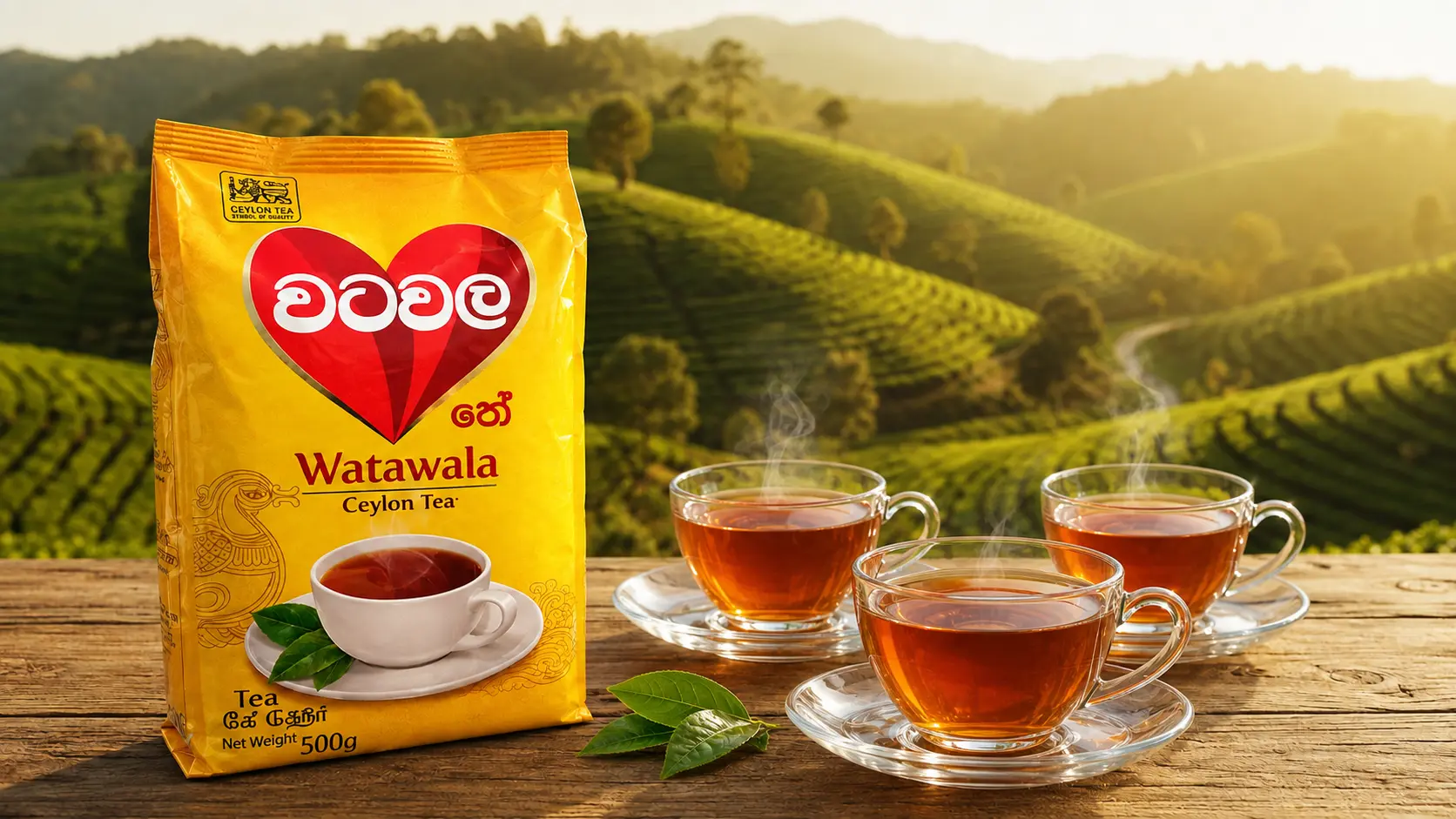
Tea Is Part of Everyday Sri Lankan Life
To understand why Ceylon Tea is special, you also have to understand its place in Sri Lankan culture.
Tea isn’t reserved for special occasions.
Someone visits your home?
Tea.
A break from work?
Tea.
An afternoon conversation with family?
Probably tea again.
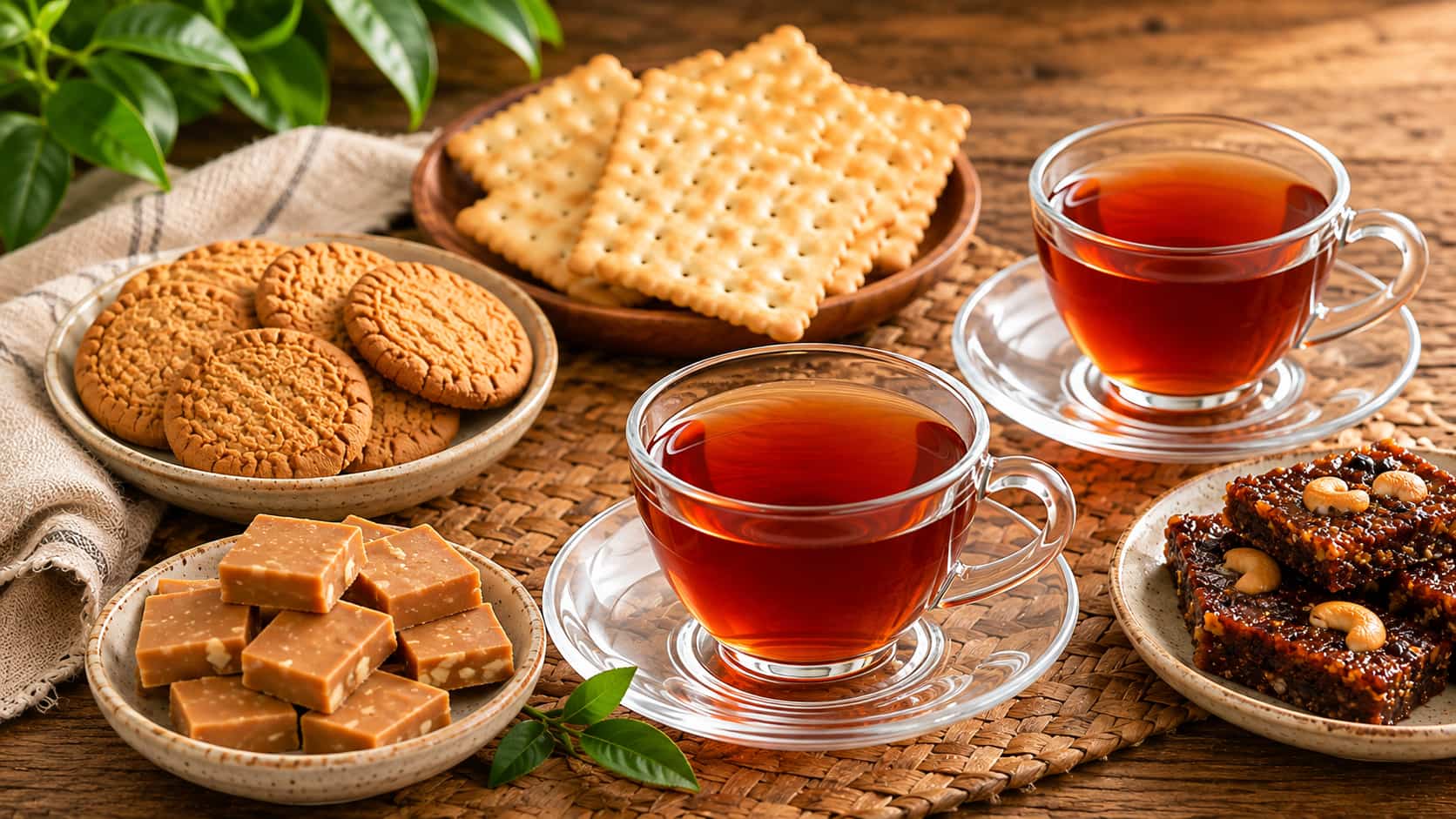
And of course, tea usually comes with something to eat.
Biscuits, cake, short eats or a favourite Sri Lankan snack can turn a simple cup of tea into a small moment to enjoy.
For many Sri Lankans living in Germany and elsewhere in Europe, continuing those little traditions helps keep a connection with home.
How Should You Enjoy Ceylon Tea?
There isn’t one correct way.
A good Ceylon Tea can be enjoyed simply with hot water, allowing you to appreciate its natural flavour.
But Sri Lankan-style milk tea is also extremely popular.
Some people prefer it strong with plenty of milk and sugar. Others like only a small amount of milk.
You can also enjoy tea with lemon or experiment with spices such as Ceylon Cinnamon, cardamom or ginger.
It really comes down to what you enjoy.
What Goes Well With Ceylon Tea?
Tea and snacks naturally belong together in Sri Lankan households.
Depending on your mood, you could enjoy your tea with:
- Cream crackers
- Ginger biscuits
- Murukku
- Milk toffee
- Coconut-based sweets
- Cake
- Other traditional Sri Lankan snacks
This is one of the reasons tea is such a useful part of the wider Sri Lankan food experience.
It connects naturally with many of the foods people already enjoy.
How Should You Store Tea at Home?
Just like spices, tea should be stored carefully if you want to preserve its flavour and aroma.
Keep it somewhere cool and dry, away from direct sunlight and strong smells.
Once a packet has been opened, keeping the tea in a properly sealed container can help protect it from moisture and air.
It is also worth remembering that tea can absorb surrounding aromas.
So keeping it next to strongly scented spices or other foods isn’t always the best idea.
Simple storage habits can help your tea stay enjoyable for longer.
Finding Ceylon Tea in Germany
If you’re living in Germany, you’ll find plenty of tea in supermarkets.
Finding the Sri Lankan brands and varieties you grew up with can be a little more difficult.
For Sri Lankan families, sometimes it’s not simply about buying “black tea.” You may be looking for a particular taste or a familiar brand that reminds you of home.
And for people discovering Sri Lankan food for the first time, Ceylon Tea is one of the easiest places to start.
At LankaMart, we want to make authentic Sri Lankan products easier to find for customers in Germany and across Europe.
Alongside Sri Lankan groceries, spices, snacks and cooking ingredients, our tea selection gives you another way to enjoy a little taste of Sri Lanka at home.
More Than Just a Cup of Tea
Ceylon Tea has travelled a long way beyond the hills where it is grown.
Today, people around the world recognise the name, but for Sri Lankans, tea can still be something very simple and familiar.
It’s the cup you make in the morning.
The tea you offer when someone visits.
The drink you have with a biscuit in the afternoon.
And sometimes, when you’re thousands of kilometres away, even something as simple as that can bring back memories of home.
Whether you’ve been drinking Ceylon Tea your whole life or you’re trying it for the first time, there are plenty of flavours and varieties to discover.
Explore authentic Ceylon Tea and Sri Lankan favourites at LankaMart.